Cart 0
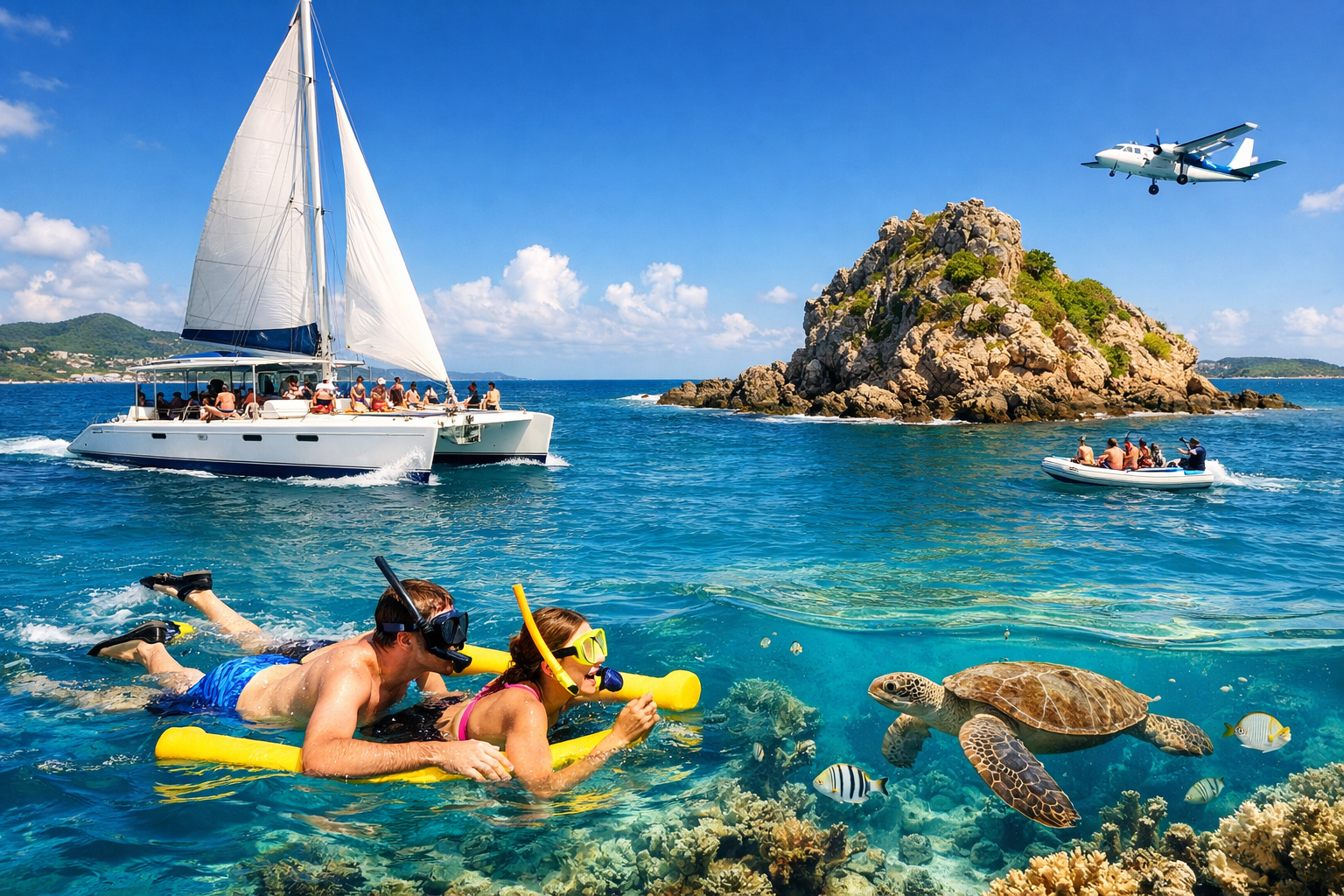

Warm, clear water. Bright reef fish that seem to multiply the moment you put your face in the sea. And an island where you can snorkel a sheltered cove in the morning, then be eating French pastries or barbecue ribs by lunch.
St. Maarten and St. Martin share one island, and that mix shows up underwater too. You get easy, family-friendly bays on the Dutch side, plus classic reef-and-turtle spots near the French nature reserve. Whether you want a quick shore snorkel between beach time and shopping, or a full-day catamaran with multiple stops, it’s the kind of place where snorkeling fits naturally into the vacation.
What makes snorkeling here so rewarding
St. Maarten sits where the Caribbean Sea and Atlantic conditions influence different coasts, so you can choose your comfort level. The west and southwest coasts often feel gentle and protected, while parts of the east can be stunning on calm days but demand more respect.
A lot of visitors love that many snorkel sessions are “low effort, high payoff.” You can be in waist-deep water, kick out a bit, and suddenly you’re above coral heads with schools of tangs and parrotfish working the reef.
If you’re traveling with non-snorkelers, this island also plays nicely with mixed groups. Several spots offer calm swimming, beach bars, and loungers, so one part of the group can snorkel while others stay happily dry.
Best snorkeling spots in St. Maarten and St. Martin (ranked favorites)
The island has plenty of places to get your mask wet, yet a handful stand out again and again for water clarity, wildlife, and ease of access. Before choosing, decide whether you want a boat day or a shore entry, because the “wow” factor often increases once you reach the offshore reserves.
Here’s a quick comparison to help you match the spot to your day.

| Spot | Side | Access | Best for | What you’ll likely see |
|---|---|---|---|---|
| Creole Rock | St. Martin | Boat or short swim from Grand Case | Reef variety, turtles | Sea fans, coral, dense reef fish, turtles |
| Tintamarre Island | St. Martin | Boat only | Easy snorkeling, clear water | Turtles, parrotfish, tangs, sandy shallows |
| Pinel Island | St. Martin | Ferry or private boat | Beginners, relaxed beach day | Tropical fish, patch reefs, occasional turtles |
| Little Bay | St. Maarten | Shore entry or boat | Families, calm water, “treasure hunt” feel | Reef life plus multiple small wrecks and artifacts |
| Mullet Bay | St. Maarten | Shore entry | Rock-edge reefs, rays in sand | Reef fish near rocks, possible stingrays |
| Indigo Bay and Cay Bay | St. Maarten | Shore entry | First-timers, calm lagoon-style water | Small patch reefs, reef fish in shallow zones |
| Kim Sha Beach (Simpson Bay) | St. Maarten | Shore entry | Kids, very shallow comfort | Small fish near the protective reef |
| Dawn Beach | St. Maarten | Shore entry | Strong swimmers on calm days | Reef edge fish, coral, big views above water |
Creole Rock (St. Martin): the “must-do” reef day
Creole Rock is a small rocky islet inside the Saint-Martin Nature Reserve, and it feels like a protected aquarium when conditions are right. The water is often impressively clear, and the marine life tends to gather along the reef edges where the structure is richest.
This spot is beginner-friendly in the right weather, yet it still thrills experienced snorkelers because there’s always something to watch: fans swaying, small fish flashing, and turtles cruising by with that unbothered confidence.
Tintamarre Island (St. Martin): clear water and turtle energy
Tintamarre is the kind of place people picture when they think “Caribbean day trip.” It’s uninhabited, bright, and calm in many conditions, with sandy shallows that make it welcoming for new snorkelers.
Turtle sightings are common enough that it often becomes the trip story people repeat back home, and it pairs naturally with Creole Rock on boat itineraries.
Pinel Island (St. Martin): relaxed, social, beginner-friendly
Pinel is small, easy to reach by ferry from Cul-de-Sac, and built for a simple beach-and-snorkel rhythm. The snorkeling is not about dramatic depth. It’s about comfortable water, a gentle reef flat, and steady fish activity close to where you’ll be lounging.
If you’re traveling with kids or anyone who wants frequent breaks for snacks, shade, or a swim float, Pinel makes the day easy.
Little Bay (St. Maarten): calm cove with wreck surprises
Little Bay is a favorite for a reason. It’s sheltered, often very clear, and gives you both reef scenery and a mini underwater scavenger hunt vibe thanks to several sunken objects and wreckage in the area.
Many snorkelers enjoy working the left side of the bay where structure and fish life cluster. It’s also a great “confidence builder” spot because the water can stay calm even when other beaches look choppy.
Mullet Bay (St. Maarten): reefs at the edges, rays in the sand
Mullet Bay is a classic beach day that can turn into a solid snorkel session if you aim for the rocky ends. The sandy middle is beautiful, yet the fish action increases once you reach structure.
Shuffle your feet in sandy areas and stay aware, since stingrays sometimes rest under the sand.
Indigo Bay and Cay Bay (St. Maarten): quiet, shallow patch reefs
These bays are popular with first-time snorkelers because the water often feels lagoon-like. You can cruise over sandy flats, then find small coral heads and patch reefs that act like little neighborhoods for reef fish.
If you like slow snorkeling where you stop often to watch what’s happening in one coral head, this is a good match.
Kim Sha Beach (Simpson Bay): easy, shallow family snorkeling
Kim Sha is all about accessibility. The nearshore reef helps keep things protected, and the shallow platform means you can stay comfortable even if you’re not aiming for a long swim.
After your snorkel, you’re already in the center of Simpson Bay’s social scene for food and drinks.
Dawn Beach (St. Maarten): beautiful, but pick your day carefully
Dawn Beach can be rewarding, with reef along the edge and striking views, yet it’s Atlantic-facing. That can mean swell, current, and a rougher entry.
If the sea looks active or winds are up, save Dawn for another day and choose a calmer bay.
Conditions to expect: temperature, visibility, and the “best windows”
Water temperatures are warm year-round, commonly in the 75 to 85°F range (about 24 to 29°C). Many visitors are comfortable in a swimsuit or rash guard most of the year, while winter can feel nicer with a thin top if you get chilly after long sessions.
Visibility can be excellent, especially in sheltered bays and on calm-weather boat days. Wind and swell are the main factors that change the experience quickly. When trade winds are stronger, some beaches turn choppy while others remain protected, so it helps to pick your snorkel spot based on the day’s conditions, not just the map.
Many travelers like late April through June and late October through mid-December for calmer seas and comfortable weather. Winter high season is often sunny and pleasant too, though winds can pick up.
After you’ve checked the wind, keep a few practical rules in mind:
- Morning water tends to look clearer than late afternoon.
- West-facing bays often stay calmer when easterly winds are active.
- If you see lots of suspended sand in the shallows, find a more protected cove.

What to bring for a great snorkel day
A little preparation changes everything: better comfort, better visibility, more time in the water, fewer small annoyances. Start with gear that fits well, since a leaky mask can ruin an otherwise perfect reef.
Here’s a packing checklist that covers most vacation snorkel days:
- Mask fit: tempered glass, good seal, no pressure points
- Snorkel and fins: fins sized for comfort and steady kicks
- Sun protection: reef-safe sunscreen plus a rash guard for longer sessions
- Feet and entries: water shoes for rocky areas or coral rubble
- Fog prevention: anti-fog drops or a proven defog routine
- Float option: snorkel vest for kids or anyone who wants extra confidence
- Dry storage: small dry bag for keys, phone, and towel
- Hydration: water and a salty snack, especially after long swims
A quick note on full-face masks: many experienced operators prefer traditional mask-and-snorkel setups for safety and comfort, especially in open water.
Bring your own gear or rent on island?
This depends on how often you plan to snorkel. If you expect one casual session, renting can be convenient. If snorkeling is one of the main reasons you chose St. Maarten, your own set often pays off in comfort and fit.
Rental gear is widely available, and many visitors like trying it once before committing to buying equipment back home.
A simple way to choose:
- Convenience
- Best fit
- Budget control
- Hygiene comfort
Smart safety habits (and good reef manners)
Snorkeling in St. Maarten is usually straightforward, yet the ocean always deserves attention. The biggest issues tend to be preventable: sun exposure, minor scrapes, and drifting farther than planned.
Keep these habits in your routine:
- Check the entry and exit first: watch a few wave sets, then time your steps
- Stay off the reef: look, float, photograph, but don’t stand on coral
- Give turtles space: let them surface, don’t chase, don’t block their path
- Mind currents: if you feel yourself drifting, angle back toward shore early
- Respect marine life: urchins, fire coral, and lionfish are better admired at a distance
If you’re snorkeling with kids or newer swimmers, choose sheltered coves like Little Bay, Indigo, or Kim Sha, and consider a flotation vest to keep the experience relaxed.
Shore snorkeling vs boat snorkeling: which one fits your trip?
Shore snorkeling is perfect when you want flexibility. You can go early, avoid crowds, and stop whenever you like. It also pairs well with beach lounging, lunch plans, and quick scenic drives.
Boat snorkeling is the easiest way to reach the island’s top reserve areas in one day, especially Creole Rock and Tintamarre. You also get the perk of guides who know how to read conditions and choose the best side of a reef on that specific day.
Many travelers mix both: one boat day for the “bucket list” spots, then a few casual shore sessions during the week.

Planning a snorkeling day with local help (TEAMSXM options)
If you’d like the offshore highlights without worrying about logistics, TEAMSXM books snorkeling-forward experiences that can anchor your itinerary, including catamaran days that commonly combine Creole Rock and Tintamarre in one outing. These trips often include snorkel gear and flotation devices, plus the relaxing extras that make a full-day cruise feel like a vacation inside your vacation.
TEAMSXM also helps travelers pull the whole St. Maarten plan together with flights, hotels, car rentals, and curated tours, which is handy if your goal is to spend more time in the water and less time comparing tabs and timelines. If you’re traveling as a couple, family, or group, it’s also a practical way to coordinate schedules and confirm availability and pricing before you arrive.
Easy snorkeling itineraries you can copy
If you like having a simple plan, these combinations work well without feeling rushed.
Half-day, low effort: Little Bay in the morning, then lunch in Philipsburg or Simpson Bay.
Beginner beach day: Ferry to Pinel Island, snorkel in short sessions, then take long breaks for shade and snacks.
Full-day “best of the best” by boat: Creole Rock plus Tintamarre, with plenty of time for turtles, clear water, and relaxed swimming between stops.
Two-spot shore sampler: Mullet Bay (rocky end) early, then Indigo Bay later if wind increases.
That’s the fun of snorkeling in St. Maarten: you can keep it simple, or you can stack unforgettable reef stops across both sides of the island, one calm bay at a time.