Cart 0
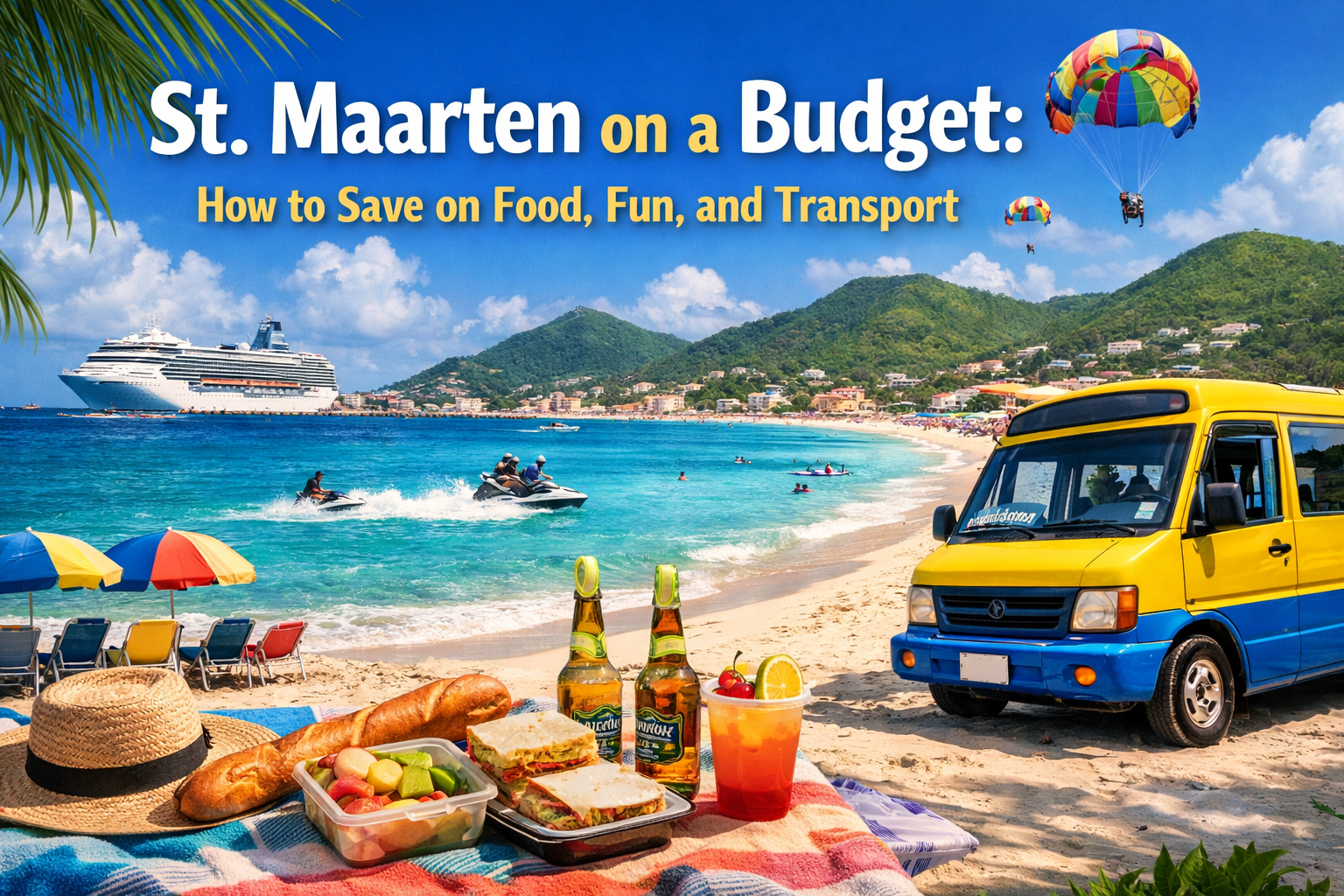

St. Maarten and St. Martin have a way of making you feel like you need to say “yes” to everything: another beach day, another sunset cocktail, another boat trip, another “quick” taxi ride that turns into a surprise line item on your credit card.
The good news is that a budget trip here can still feel rich. The island is packed with free shoreline, low-cost local eats, and simple transportation options that keep you moving without draining your fun fund. A little planning is the difference between counting pennies and feeling carefree.
Set your budget with island realities
St. Maarten (Dutch side) and St. Martin (French side) share one island, and you can cross back and forth easily. Prices swing based on location and timing: cruise port zones and hotspot strips tend to cost more, while local neighborhoods reward curiosity.
A smart budget starts with knowing what usually sneaks up on travelers. Lodging totals often rise once you add government tax and service charges, so it helps to confirm whether your quoted rate already includes them. The same idea applies to activities: ask what’s included (gear, drinks, transport) before you commit.
One more reality check: taxis can be the biggest budget buster. Plan around buses, shared rides, and walkable clusters of beaches and restaurants, and your daily costs can drop fast.
Eat well for less (and still taste the island)
You do not have to choose between “cheap” and “memorable” here. Some of the most satisfying meals on the island are casual, outdoors, and served with zero fuss.
Start with markets. Philipsburg Market on the Dutch side and Marigot Market on the French side are perfect for grabbing fresh fruit, pastries, spices, and ready-to-eat snacks at local prices. Build a beach picnic, then save your sit-down meals for the times you truly want the ambiance.
Then go where locals eat: lolos and small family-run spots. These open-air shacks and simple counters are where you’ll find Johnnycakes, jerk chicken, oxtail stew, curried goat, rotis, and generous plates that can easily cover lunch and a light dinner.
After you’ve had a paragraph to get hungry, here are a few easy ways to keep food spending steady without feeling restricted:
- Lolos and BBQ shacks
- Market fruit and pastries
- Roti wraps for a one-meal-fits-all lunch
- Grocery-store snack run before the beach
- Water bottle refills at your hotel or rental
Happy hours and lunch specials can stretch your budget, too, especially around Simpson Bay, Mullet Bay, and other beach bar areas. If you want a cocktail with your toes in the sand, aim for late afternoon deals and keep dinner simple.
Two small tactics make a big difference. First: avoid airport and cruise-port dining when you can. Second: if you’re staying somewhere with even a basic kitchenette, plan a few “assembly meals” (yogurt and fruit, eggs, pasta, sandwiches) so your restaurant tab stays intentional.
Free and low-cost fun that feels priceless
A budget-friendly St. Maarten trip is easy because the island’s main attraction is already free: the beach.
Maho Beach is famous for plane spotting, Great Bay is an easy classic near Philipsburg, Simpson Bay has that long, walkable shoreline vibe, and Mullet Bay is a favorite when you want a “do nothing” day that still feels like a postcard.
When you want a break from the sand, go up instead of out. Hiking and viewpoints can deliver the biggest “wow” per dollar. Pic Paradis and Sentry Hill are popular choices for scenic walks and sweeping views. Bring water, start earlier in the day, and keep footwear practical.
If you like history and views, Fort Amsterdam is another easy win. It’s a simple stop that feels like you found a secret overlook, especially when the harbor is busy.
Paid activities can still fit a budget if you pick one or two and balance them with free days. A museum visit, a low-cost garden or nature park ticket, or a group snorkeling trip can be your “splurge,” while the rest of the week stays light.
If your travel dates line up with local celebrations, free events can become the highlight of your trip. Carnival season brings parades and street energy that cost little to enjoy, and various markets and community nights pop up throughout the year.
Here are a few activity picks that keep spending under control, with clear expectations:
- Public beaches: Free entry, bring your own snacks and towel
- Snorkeling from shore: Free if you pack gear, rentals if you don’t
- Fort Amsterdam: Free views, quick and rewarding
- Nature trails: Free, go early for cooler temps
Getting around without taxi sticker shock
Transportation is where budget trips often wobble. St. Maarten is not huge, but getting from one beach zone to another can add up quickly if you rely on private taxis for every move.
Public minibuses (PSVs) and shared vans are the best value for many travelers. Routes connect major areas and fares are commonly around a couple of dollars per ride between towns. They run roughly daytime into the evening, and you can usually flag them down along the route. Carry small bills because drivers may not make change.
Shared taxis are another middle option: more flexible than the bus, less expensive than a private taxi. They can be handy when you’re moving in a small group and want to keep costs predictable.
Renting a scooter can be a fun budget play for confident riders, though you’ll want to think about weather and road comfort. A rental car can also make sense if you plan to beach-hop daily or you’re traveling with family and gear. Just compare total costs, including fuel and parking, against what you’d spend on rides each day.
A quick decision guide helps:
| Your Trip Style | Best-Fit Transport | Why It Saves Money |
|---|---|---|
| Mostly beach days near one area | Walk + occasional bus | Fewer paid rides, easy pacing |
| Exploring both sides daily | Rental car | Predictable daily cost vs multiple taxis |
| Solo or couple, short hops | Public minibus (PSV) | Low fare per ride |
| Nights out, leaving late | Plan rides in advance | Avoid late surcharges and surprises |
If you do take taxis, confirm the rate before you get in, and remember that late-night rides may cost more. Simple, calm clarity up front keeps your budget intact.
Timing, booking, and small-print savings
Dates matter on this island. Winter is popular, and prices rise along with demand. Shoulder season and summer can offer much better value, especially on hotels and some tours. Early fall can be quiet, and deals can be strong, though it’s still wise to keep an eye on weather patterns and travel protection.
Big events are another pricing trigger. Regattas, festival weeks, and holiday periods can tighten availability and push rates up. If you want the energy of those weeks, book early. If your goal is a calmer, cheaper trip, choose dates just outside them.
Discount programs also help. The free VIP Card offered by the destination can unlock deals at participating restaurants, shops, and activities. It’s worth checking before you arrive so you know which spots match your plans.

When you’re booking, aim to get the full number, not the teaser rate. Confirm what’s included, what’s taxed, and what’s refundable. TEAMSXM often encourages travelers to compare dates and rates across flights, hotels, rentals, and experiences, then confirm availability and final pricing before travel so there are fewer surprises.
After you’ve read that, here are the money-saving checks that tend to pay off fastest:
- Rate details: Taxes and service charges included or added later
- Cancellation terms: Free changes can protect your budget
- Bundles: Flight + hotel can be cheaper than piecing it all together
- Discounts: VIP Card offers and seasonal promos
Duty-free shopping is another angle people forget to plan for. If you already intend to buy items like fragrances, liquor, or gifts, building a small “shopping budget” into your plan can keep it from competing with your food and activity money.
A sample 3-day budget game plan (mix and match)
A budget trip feels easiest when you plan your “spend moments” and your “free moments” on purpose. Here’s a simple three-day outline that mixes beaches, viewpoints, local food, and low-cost transit.
Day 1: Settle in and go local. Start with a market stop to stock fruit, pastries, and snacks. Spend the afternoon on a public beach near where you’re staying, then grab dinner at a lolo or casual BBQ spot. If you want one drink out, aim for happy hour rather than a full late-night bar tab.
Day 2: Viewpoints and a beach picnic. Go early for a hike or viewpoint visit (Pic Paradis or Sentry Hill). Afterward, make it a picnic beach day with your market finds. If you want to add one paid item, make it something that gives you a new perspective, like a group snorkeling trip.
Day 3: Town stroll and simple souvenirs. Spend the morning walking the Philipsburg Boardwalk and Front Street for a low-cost “browse day.” If shopping is on your list, compare a few duty-free options instead of impulse-buying at the first window. Close out with a casual dinner, ideally somewhere you can share plates.

Here’s a rough budget snapshot to help you estimate daily spending. Actual totals vary by season and travel style, but the categories stay consistent:
| Daily Category | Budget Lean | Comfortable Budget |
|---|---|---|
| Breakfast | $5 to $10 | $10 to $18 |
| Lunch | $8 to $15 | $15 to $25 |
| Dinner | $12 to $20 | $20 to $35 |
| Local transport | $4 to $10 | $10 to $25 |
| Activities | $0 to $25 | $25 to $90 |
| Estimated daily total | $29 to $80 | $80 to $193 |
If you want, you can share your travel dates, where you’re staying (Dutch side, French side, or “not sure yet”), and your must-do list, and I can help map out a budget-friendly route plan that cuts down backtracking and keeps transport costs low.